Professional Roofing Services: Repair, Replacement, Installation, and Maintenance Services
Professional roofing services are vital to maintaining the safety and integrity of a home. Proper installation, timely repairs, and carefully considered replacements can significantly prolong a roof's lifespan. Homeowners often ignore the significance of regular maintenance, which can stop costly issues down the line. Comprehending the nuances of roofing services can enable homeowners. However, many are unsure of how to pick the right approach for their particular needs.
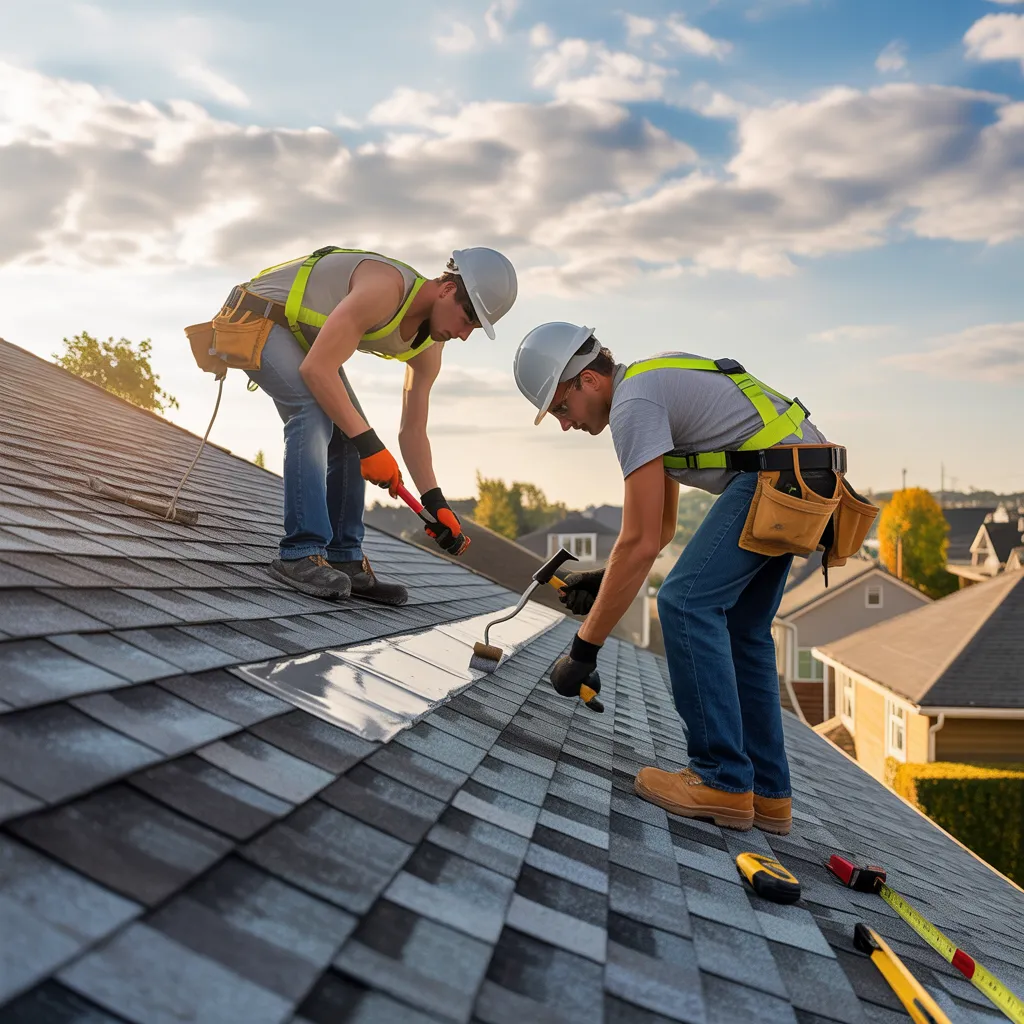
Significance of a High-Quality Roof Installation
A correctly installed roof functions as the first line of defense against the elements, making the importance of quality roof installation essential. A roof protects not only the structural integrity of a building but also the health and safety of its occupants. Poor installation can lead to leaks, water damage, and mold growth, which can undermine the building's foundation and lead to costly repairs. Moreover, a quality roof supports energy efficiency by providing adequate insulation, reducing heating and cooling costs. It enhances the overall aesthetic appeal and market value of the property, making it a wise investment. Additionally, a professionally installed roof meets local building codes and standards, ensuring safety and reliability. Homeowners should prioritize hiring skilled roofing contractors who understand the complexities of various roofing materials and techniques, as this can substantially influence the durability and effectiveness of the roof. In the end, a sound installation establishes the foundation for long-term protection and peace of mind.
Typical Roofing Repairs and the Solutions
Various roofing issues can occur over time, demanding timely repairs to protect the integrity of a home. Common problems include leaks, missing or damaged shingles, and sagging roofs. Leaks typically stem from worn-out flashing or compromised shingles, demanding immediate attention to avert water damage. Homeowners may need to replace missing shingles or repair damaged ones to maintain a watertight seal.
Another frequent issue is the accumulation of debris in gutters, which can lead to water pooling and subsequent roof damage. Consistent cleaning and upkeep can prevent this problem. Additionally, sagging roofs can signal structural problems, necessitating a professional evaluation to identify the underlying cause and appropriate solution.
Ultimately, handling these typical roofing repairs in a timely manner not only protects the dwelling's structural integrity but also prolongs the life expectancy of the roof, giving peace of mind to homeowners.
The Right Time to Consider a Roof Replacement
When should a homeowner consider replacing their roof? Multiple signs can point to the necessity of roof replacement. To begin with, the roof's age is a crucial factor; roofs typically last 20 to 30 years, depending on materials. If a roof approaches or exceeds this lifespan, replacement should be considered.
Additionally, visible damage including buckling, missing shingles, or substantial granule loss indicates deterioration. Property owners should also check for moisture intrusion or water stains throughout the property, as this can reveal concealed damage.
One more consideration is the roof's structural integrity; warped or unlevel areas might signal serious problems that warrant a complete replacement. Additionally, if repairs grow frequent and costly, purchasing a new roof may be more financially prudent in the long run.
In the end, consulting with a professional can provide clarity on whether a roof replacement is needed for maintaining safety and protection.
Standard Maintenance Procedures for Lasting Performance
Though many property owners may disregard their roofing until concerns surface, systematic maintenance efforts are critical for maximizing roof durability. Inspections should be conducted at least twice a year, concentrating on detecting possible problems like absent tiles, fractures, or indicators of moisture damage. Clearing debris, such as leaves and branches, from the roof and gutters prevents water buildup, which might trigger leaking and structural breakdown. Additionally, addressing minor repairs promptly can prevent more extensive damage and costly repairs in the future. Property owners should also examine appropriate air circulation, since insufficient ventilation may result in temperature accumulation and humidity, undermining the roofing system's stability. In conclusion, booking professional reviews can supply a detailed evaluation and specialized suggestions adapted to the unique roof configuration. Applying these systematic maintenance methods secures a roofing structure stays in superior shape, protecting the property from weather conditions and improving its total worth.
Choosing the Right Roofing Materials for Your House
When choosing roofing materials, homeowners must evaluate various factors such as climate, budget, and aesthetic preferences to guarantee a durable and examine guide visually appealing choice. Different materials present distinct advantages; for instance, asphalt shingles are cost-effective and suitable for various climates, while metal roofing offers extended lifespan and energy efficiency.
In areas susceptible to severe weather conditions, slate or tile are often favored for their durability and resilience to extreme conditions. Additionally, the architectural style of the home should guide the choice of materials; traditional homes often work well with wood shakes or shingles, while modern designs may favor metal or flat roofing choices.
Budgetary restrictions likewise fulfill an important purpose, as some materials require higher upfront costs but might deliver savings in upkeep and utility costs in the long run. Finally, a careful approach to material selection guarantees that homeowners attain a balance between utility and design attractiveness.
FAQ
How Long Will a Standard Roof Installation Take?
A standard roof installation usually takes 1-3 days, contingent upon the roofing area, complexity, and weather conditions. Considerations including the roofing materials used and crew experience also impact the overall timeframe.
What Types of Warranties Are Included with Roofing Services?
Warranties for roofing services usually consist of materials warranties that span from 20-50 years, and craftsmanship warranties that range from 1-10 years. Coverage and duration vary by the contractor and the materials utilized.
Is It Possible to Install a New Roof Over My Current One?
Yes, one can install a new roof over an existing one, assuming that local building codes permit it and the structure can support the additional weight. Nonetheless, adequate assessment and preparation are essential for long-term durability.
What Are the Indicators of a Roof Requiring Repair?
Indicators that a roof requires repair include broken or missing shingles, roof leaks, sagging areas, water stains on ceilings, heavy granule loss found in gutters, and mold or mildew that is visible. Quick action can stop additional damage.
How Can Weather Conditions Impact Roofing Projects?
Weather conditions greatly impact roofing projects. Rainfall postpones installation, while extreme temperatures can affect materials' integrity. Gusty weather poses safety challenges, and heavy snow can delay progress, demanding thorough planning and proper timing for optimal results.